Have you ever had a passenger tell your team exactly where their bag was — while your system showed « location unknown »?
That gap has a price tag.
$𝟭𝟱𝟬 𝗽𝗲𝗿 𝗺𝗶𝘀𝗵𝗮𝗻𝗱𝗹𝗲𝗱 𝗯𝗮𝗴. $𝟱 𝗯𝗶𝗹𝗹𝗶𝗼𝗻 𝗳𝗼𝗿 𝘁𝗵𝗲 𝗶𝗻𝗱𝘂𝘀𝘁𝗿𝘆 𝗶𝗻 𝟮𝟬𝟮𝟰.
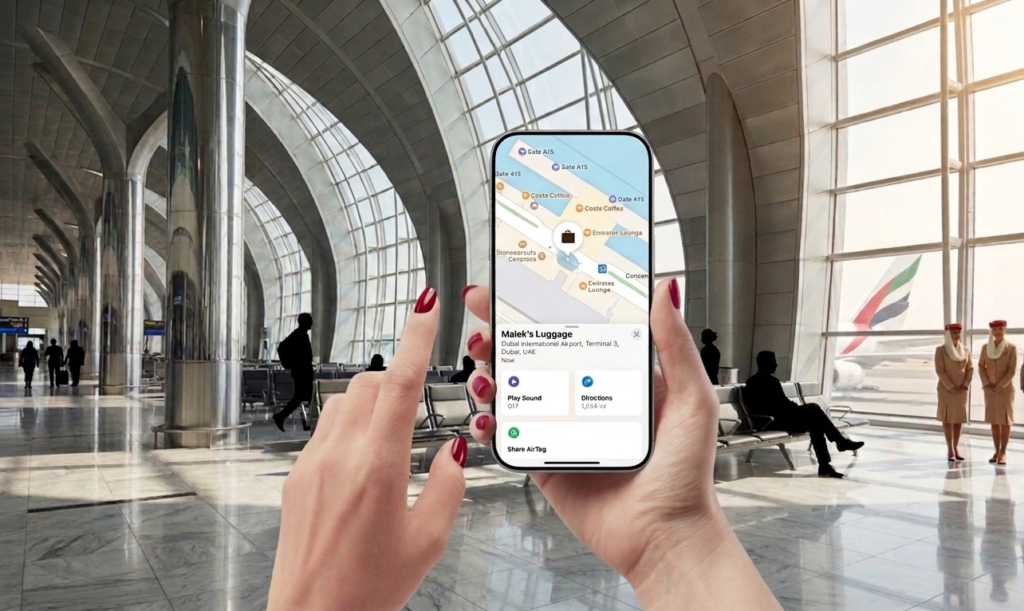
In November 2025, Delta Air Lines and Apple developed a direct API integration — AirTag location data flowing straight into Delta’s baggage systems. Fewer manual steps. Faster recovery. One less call to the contact centre. 𝗧𝗵𝗶𝘀 𝗵𝗮𝘀 𝗰𝘂𝘁 𝗽𝗲𝗿𝗺𝗮𝗻𝗲𝗻𝘁𝗹𝘆 𝗹𝗼𝘀𝘁 𝗹𝘂𝗴𝗴𝗮𝗴𝗲 𝗯𝘆 𝟵𝟬%.
A few months later, Google Find Hub followed — integrated directly into WorldTracer by SITA, the baggage system used by 500+ airlines across 2,800 airports.
The economics are straightforward. Real-time location accelerates recovery. Faster recovery means fewer compensation claims, less call centre volume, and a passenger who stays informed instead of frustrated.
The passenger experience changes. The cost structure changes with it.
What took decades to build in baggage tracking infrastructure was accelerated by technology passengers already had in their pockets.
That’s a smart move. But it also raises a question worth sitting with:
when the most effective response to a passenger disruption comes from outside your own infrastructure, what other disruption data already exists outside your systems — and isn’t being used?